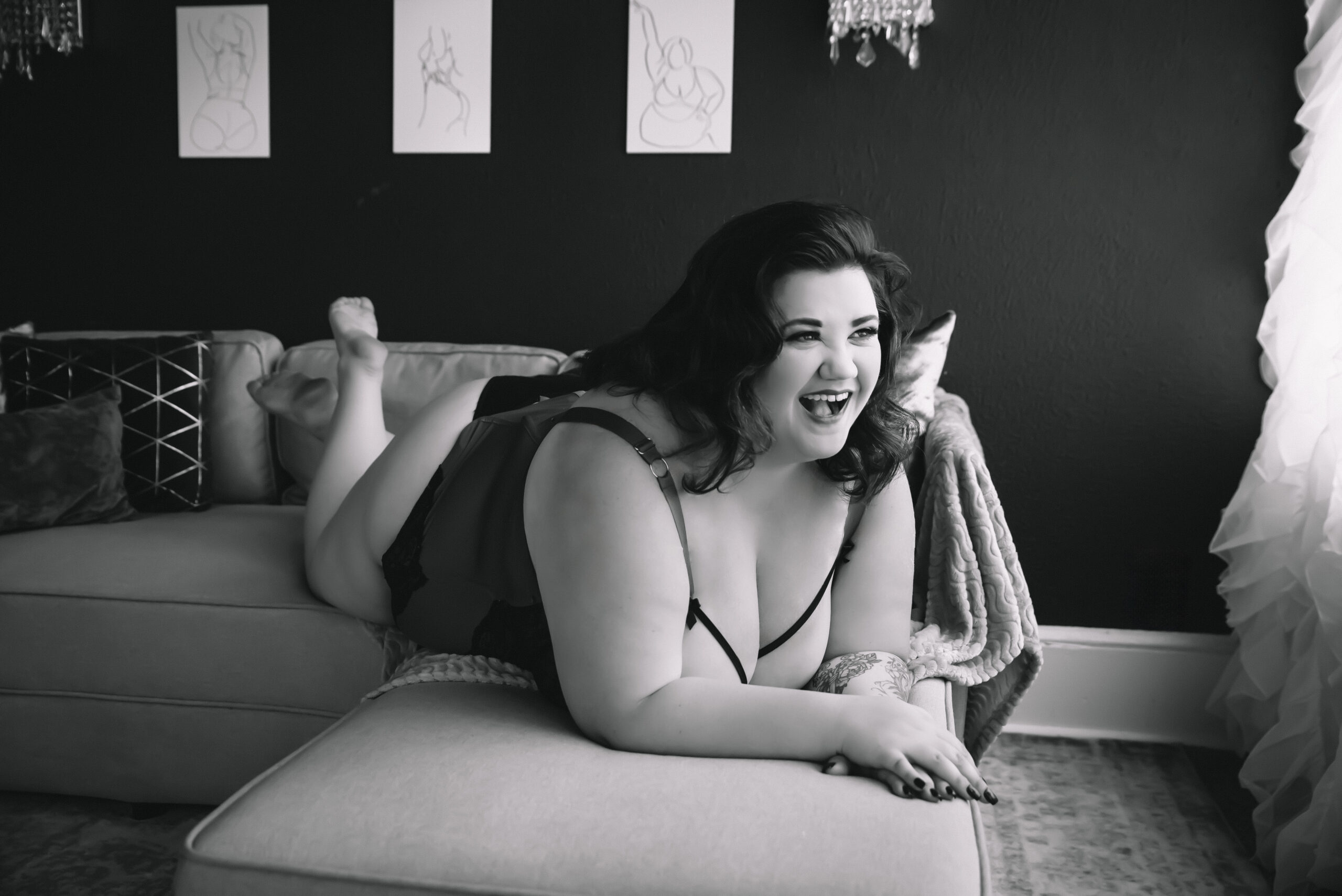
Have you ever wondered when you started feeling this way about your body?
Maybe you remember being perfectly comfortable in your skin as a young child, before becoming increasingly aware of how you looked. Perhaps you can pinpoint a particular comment someone made about your weight, an experience during adolescence, or a period in your life when you began comparing yourself to other women.
Or maybe you can’t identify a specific moment at all. You just know that somewhere along the way, your relationship with your body became more complicated.
Body image doesn’t develop overnight. It’s shaped gradually through our experiences, relationships, environments, and the messages we receive about what our bodies should look like.
Understanding how body image develops can help us recognize where some of our beliefs originated, why certain experiences affect us so deeply, and how our relationship with our bodies can continue to evolve throughout our lives.
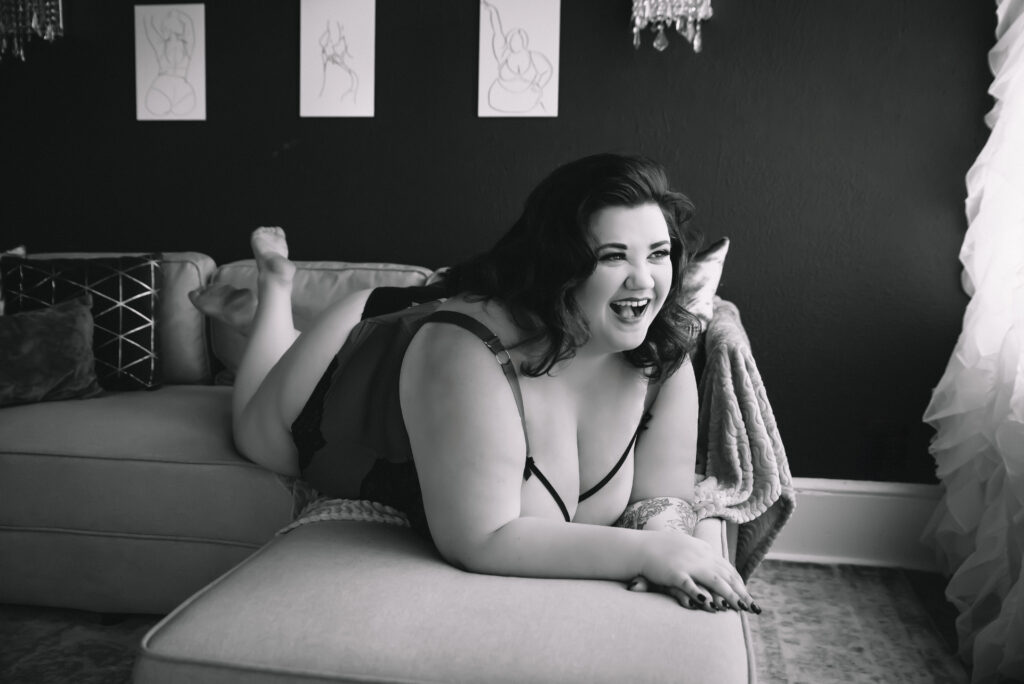
What Exactly Is Body Image?
Body image is the collection of thoughts, feelings, perceptions, and beliefs we have about our physical selves.
It includes how we see our bodies, how we feel about our appearance, and the meaning we attach to our physical characteristics.
But body image extends beyond whether we think we’re attractive. It can influence how comfortable we feel in our clothing, whether we avoid photographs, how we experience physical intimacy, and whether we feel confident participating in activities where our bodies might be visible.
Body image also isn’t necessarily an accurate reflection of our physical appearance. Two women with similar body types can have very different experiences of their bodies, just as one woman can experience significant changes in body image without any corresponding change in her physical appearance.
If you’ve ever wondered why you hate seeing pictures of yourself, for example, your reaction may have more to do with your established perceptions and expectations than with the photograph itself.
So where do these perceptions come from?
There are five major influences worth understanding.
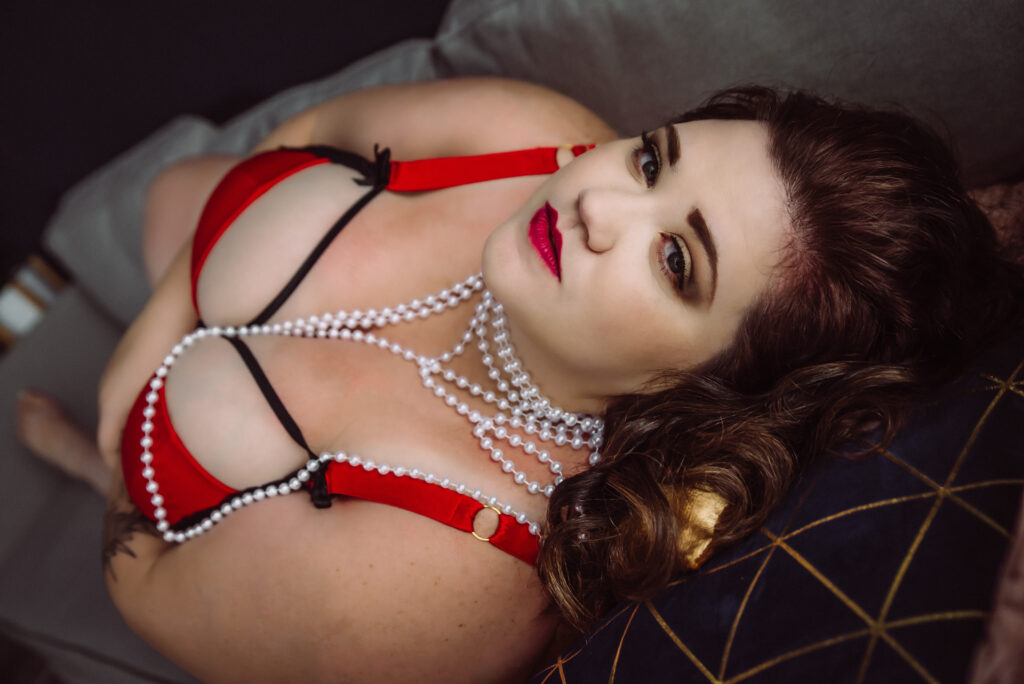
1. Family Environment: The First Messages We Receive About Our Bodies
Long before we’re old enough to understand beauty standards or recognize advertising techniques, we’re observing the people around us.
Our earliest ideas about bodies, appearance, and attractiveness often develop within our families.
Consider the conversations you heard growing up. Did the adults around you frequently discuss their weight? Were certain foods described as bad or forbidden? Did you watch a parent stand in front of a mirror and immediately criticize what they saw?
Children absorb more than the literal meaning of these conversations. They also learn which physical characteristics are considered desirable, which ones are treated as problems, and how much importance is placed on appearance.
Even well-intentioned comments can have an impact. A child who frequently hears that she’s pretty might begin associating her value with maintaining that appearance. Another child who receives repeated comments about her weight may become particularly sensitive to how her body is perceived.
These early messages can become part of the beliefs we carry into adulthood, even when we no longer consciously remember where they originated.
2. Peer Relationships: Learning Where We Fit In
As children grow older, their social environments expand. Friends, classmates, teammates, and romantic interests become increasingly influential.
Adolescence can be a particularly sensitive period. Physical development doesn’t happen at the same pace for everyone, and the differences between our bodies can become more noticeable.
Appearance-based teasing, comparisons, and social acceptance can all influence how young people perceive themselves.
A passing comment about someone’s weight, skin, height, or shape can stay with them for years. So can the experience of feeling excluded or less desirable than other people.
These experiences don’t necessarily disappear when we leave school. Adult friendships, workplace environments, and romantic relationships can continue influencing how we feel about our appearance.
Sometimes, we find ourselves comparing our bodies to those of our friends or interpreting another woman’s attractiveness as evidence of our own shortcomings.
We may not even realize how much our social experiences have influenced the standards we use to evaluate ourselves.
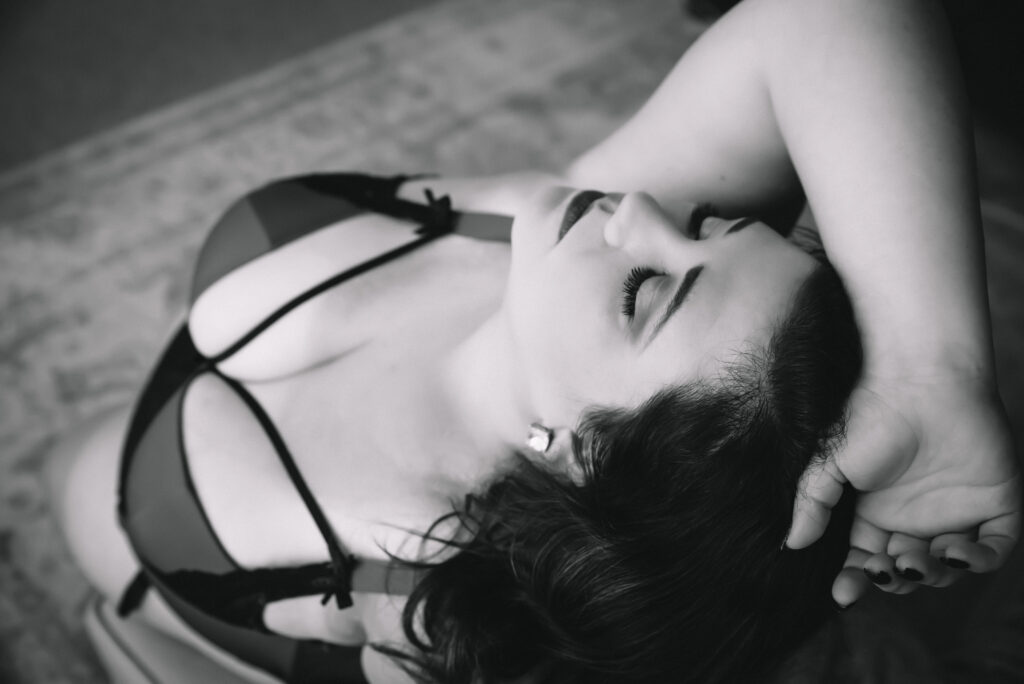
3. Cultural Background: The Beauty Standards We Inherit
Every society and culture has ideas about beauty, femininity, attractiveness, and physical appearance.
These ideas aren’t universal or permanent. They vary across cultures, generations, communities, and historical periods.
Consider how dramatically beauty standards have changed over time. Features and body types celebrated in one era may be criticized in another. Hairstyles, skin tones, clothing sizes, and ideals of femininity are all subject to cultural expectations.
These expectations can shape how women understand their attractiveness, interpret aging, and decide which physical characteristics they should change.
Cultural messages can also be contradictory. Women are encouraged to embrace aging while being surrounded by products promising to reverse it. They’re told to be confident while being constantly reminded of perceived imperfections.
It can be difficult to develop a comfortable relationship with your appearance when the standards you’re expected to meet are constantly shifting.
It’s worth remembering that beauty standards are cultural constructs, not objective measurements of human worth.
Recognizing that distinction gives us an opportunity to question beliefs we’ve spent years accepting as facts.
4. Media and Social Media: The Images We Consume
We’re surrounded by images of other people, often presented under carefully controlled conditions.
Television, movies, magazines, advertisements, and social media expose us to countless representations of women’s bodies. These images help shape our ideas about what is normal, desirable, and attractive.
But the images we consume rarely represent the full diversity of ordinary human bodies or everyday experiences.
Professional photography involves decisions about lighting, posing, styling, composition, and image selection. Digital editing and filters can further alter someone’s appearance.
When we’re repeatedly exposed to highly curated images, we can begin comparing our everyday appearance to someone else’s most carefully constructed presentation.
We may become more critical of normal physical characteristics simply because we rarely see them represented in the images we consume.
This is one reason media literacy matters. Understanding how images are created, selected, and presented helps us recognize that what we see on a screen isn’t necessarily an accurate representation of ordinary human appearance.
It also gives us an opportunity to become more intentional about the images and messages we allow into our daily lives.
5. Our Own Thoughts and Experiences: The Stories We Internalize
We don’t simply receive messages from our environments and retain them unchanged. We interpret them, attach meaning to them, and gradually develop beliefs about ourselves.
Over time, those beliefs can become deeply ingrained.
A woman who experienced criticism about her weight during childhood may grow up believing her body is something she must constantly monitor.
Someone who experienced rejection may begin associating physical attractiveness with being worthy of affection.
A woman who received frequent praise for being thin might become frightened of the physical changes that naturally accompany aging.
These beliefs can continue influencing our behavior long after the original circumstances have changed.
We may develop habits of checking our appearance, avoiding certain clothing, declining photographs, or postponing experiences until we feel more comfortable with our bodies.
Eventually, those behaviors can reinforce the very beliefs that contributed to them.
For example, avoiding photographs might temporarily relieve the discomfort of being seen. But it can also limit opportunities to develop a more balanced relationship with our own appearance.
Recognizing these patterns isn’t about blaming ourselves for having negative thoughts. It’s about understanding that our current relationship with our bodies may be influenced by experiences that deserve a closer look.
These Influences Don’t Operate Independently
It’s tempting to think of these five influences as separate categories, but in real life, they overlap.
A girl who grows up hearing critical comments about her weight may become particularly sensitive to appearance-based teasing from her peers. Those experiences may influence how she interprets images in magazines and on social media.
As an adult, she may continue comparing herself to other women, even when the people and circumstances that originally shaped those beliefs are no longer part of her daily life.
One experience can reinforce another.
And the same influence can affect two people very differently.
This is why there’s no universal explanation for why someone feels the way she does about her body. Our individual experiences, personalities, relationships, and environments all contribute to the picture.
Understanding body image requires looking beyond the mirror and considering the larger context in which our beliefs developed.
Can Your Body Image Change?
Yes. Our relationship with our bodies isn’t necessarily fixed.
Although some beliefs and habits can be deeply ingrained, our perceptions can continue evolving as we gain new experiences, develop different perspectives, and become more aware of the influences that shape our thinking.
Sometimes, change begins with something relatively small.
We might recognize that a particular comment from childhood is still influencing how we dress. We might notice that certain social media accounts consistently leave us feeling inadequate. Or we might realize that we’ve been postponing experiences because we don’t feel our bodies are ready for them.
These realizations don’t automatically resolve dissatisfaction, but they can help us approach our experiences with greater awareness.
Instead of treating every negative thought about our appearance as an unquestionable truth, we can become curious about where that thought originated and whether it deserves the authority we’ve given it.
The goal doesn’t have to be loving every aspect of your appearance. It can be learning to relate to your body with less criticism, greater understanding, and more room for the ordinary experiences of being human.
A Reflection Exercise: Where Did I Learn to See Myself This Way?
Take a few minutes to consider the following questions. You don’t need to answer all of them, and there’s no expectation that you’ll arrive at any particular conclusion.
- Family: What did the adults around me communicate about weight, appearance, and attractiveness when I was growing up?
- Peer relationships: Were there experiences or comments from friends, classmates, or romantic partners that influenced how I felt about my appearance?
- Culture: What did I learn about what women are supposed to look like? Have those expectations changed throughout my lifetime?
- Media: Am I comparing my everyday appearance to images that have been carefully constructed?
- Personal experiences: When did I first begin feeling critical of my appearance? What experiences might have contributed to those feelings?
You don’t have to solve anything while answering these questions.
Sometimes, simply recognizing that a belief has a history is meaningful in itself.
If exploring these experiences brings up significant distress, a qualified mental health professional can help you work through them.
Your Body Image Is Part of Your Story, Not Your Entire Identity
We spend so much time thinking about how our bodies look that it’s easy to forget how many other things contribute to our identities.
Our interests, relationships, experiences, values, accomplishments, personalities, and ambitions all make us who we are.
Yet for many women, appearance becomes an unusually powerful measure of personal worth.
Understanding how body image develops gives us an opportunity to examine those expectations more closely.
You may discover that some of your beliefs came from people who no longer have a place in your life. Others may have come from cultural standards that were never realistic to begin with.
And some may simply be habits of thought that you’ve repeated for so long they’ve begun to feel like facts.
You don’t have to reject every beauty standard, abandon every preference, or suddenly feel wonderful about your appearance.
But you can begin to question the role those beliefs play in your life.
Your body is not a project you must perfect before you’re allowed to enjoy being yourself. Being photographed doesn’t have to be reserved for a future version of yourself. At Bare Elegance, we believe women deserve to experience being photographed as they are, right now.


